
REDUCING the number of sewage discharges into the River Severn will take time, say water company bosses.
At a meeting of Worcestershire County Council’s environment panel last week, Councillor Louis Stephen said discharges are often blamed on heavy rainfall.
“But this is becoming more and more common,” he said. “It isn’t a thing that’s happening once every 50 years or every 10 years. This is several times a year we’re getting this flooding.
“I’m sure a lot of residents would like to know, when will we be in a position when we have actually got the infrastructure in place to make sure that adverse rainfall isn’t just used as an excuse for why we sometimes get this sewerage going into the rivers?
“At what point can we actually say this problem’s been solved?”
Severn Trent data shows the company’s Worcester sewage treatment works had 68 spills in 2025, lasting a total of 975 hours.
Across the entire Severn Trent operating area, there were more than 36,000 spills lasting more than 200,000 hours from 2,452 overflows.
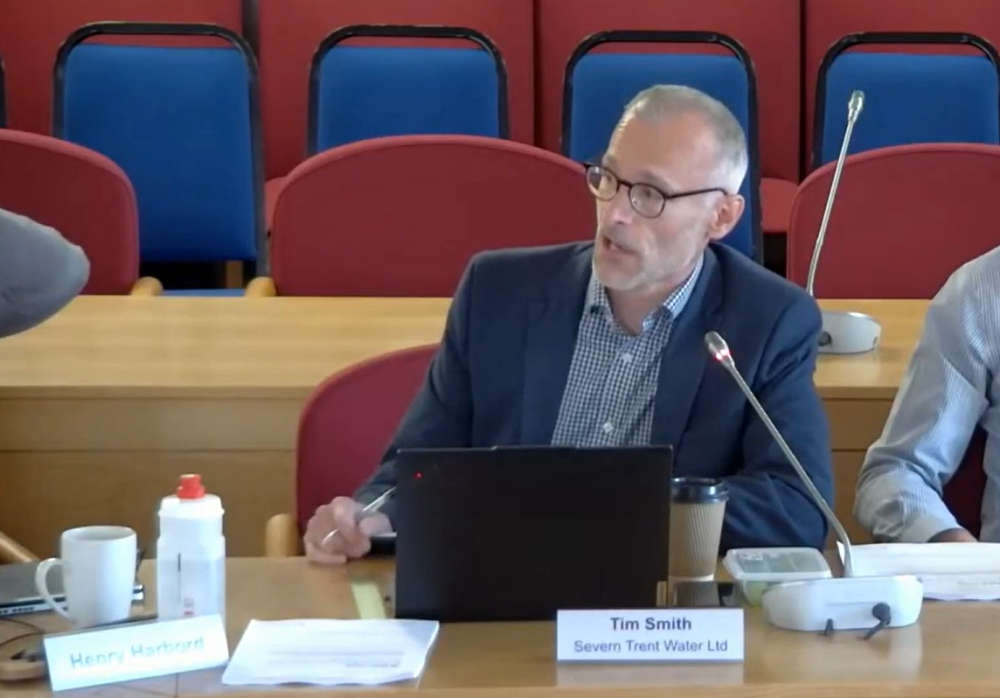
Tim Smith of the Environment Agency said: “The infrastructure we’ve got is built up over many years.
“Storm overflows were designed and put in place to prevent flooding – to remove them in a short amount of time is unaffordable and unfeasible.
“The trajectory is what we need to do as a country to reduce those discharges, rather than just completely eliminate them.
“So we’re on that trajectory – the Environment Act has set out some very clear commitments and requirements and all the water companies including ourselves are working to reduce the number of discharges.
“All storm overflows now have monitors and that wasn’t the case 10 years ago.”
He said water companies now have a live picture of “what’s happening and when”.
“The plans now are a major investment in high priority storm overflows that are spilling most frequently and causing a significant amount of harm – and the target is to reduce the discharges down to 10 per year on average.”
Mr Smith said water companies are investing £1.75bn in reducing storm overflow discharging between 2025 and 2030.
“It’s an incredible task but the discharges on average are coming down. It’s an issue we are taking seriously.”
Councillor Linda Robinson said the Severn and Avon are at capacity and questioned how the rivers will cope with more discharge from proposed developments such as Wychavon town.
Mr Smith said Severn Trent has investment programmes to increase capacity at its treatment works “to accommodate foul flows from new developments”.