

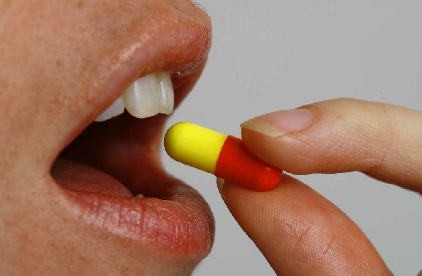
NHS trusts in Shropshire have been called to action against the rising global risk of antimicrobial resistance (AMR).
AMR, which can make infections impossible to treat, has been nationally linked with causing twice as many deaths as breast cancer each year.
“Antimicrobial resistance occurs when bacteria, viruses, fungi and parasites no longer respond to antimicrobial medicines,” writes Paula Gardner, chief nursing officer at the Shrewsbury & Telford Hospital NHS Trust (SaTH).]
“The resultant effect of antimicrobial resistance is that antibiotics and other antimicrobial medicines become ineffective, and infections become difficult or impossible to treat.
“Infections that are difficult or impossible to treat increase the risk of disease spread, severe illness, disability and death.”
SaTH, along with other health trusts and commissioning organisations, has been sent a letter by NHS England about increasing global concerns.
The letter says that the World Health Organisation (WHO) has declared antimicrobial resistance as a top global health and development threat and it is in the Government’s Risk Register.
Members of Sath’s board will be told at a meeting on Thursday that they have to agree and publish three priority areas for improvement by April 2026.
Proposals for these include reviewing antimicrobial prescriptions after two days, switching patients from intravenous to oral antibiotics, and reducing delays in spotting infections.
 Herefordshire households to pay £20 more for police and fire
 Pegasus FC cruise to huge win over Worcester Raiders in the Uhlsport Hellenic League Marsh Challenge Cup Semi Final
 Builder gets further knock-back over Leominster house
 Why hamlet wants to move its war memorial
 Decision on travellers’ pitches plan for village
 Another use planned for city toilet block
 Plan to open restricted city street to through-cyclists
 Golf course no more as house plan granted